Review: How to Begin Machine Embroidery for Pros
As an embroidery designer who has spent years refining digitizing techniques and managing client expectations, I approach every new resource with a critical eye. When I first encountered How to Begin Machine Embroidery on Creative Fabrica, I was not looking for another basic tutorial on threading a needle. Instead, I was searching for a structured refresher that could help streamline my workflow for upcoming commercial projects. This product, categorized under Classes, promises to guide beginners through the essential steps of machine embroidery, but does it hold value for those of us already running small businesses or selling on Etsy?
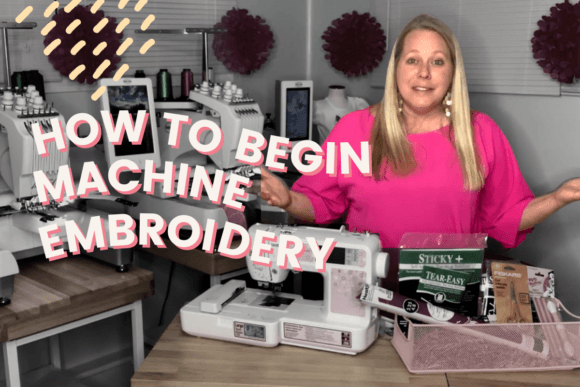
The visual mood of this class is inviting yet professional. Guided by embroidery expert Kelly Payne, the content feels less like a dry manual and more like a mentorship session. For designers who often work in isolation, having a clear, authoritative voice explaining the "why" behind the "how" is invaluable. The detail level presented in the lessons suggests a thorough understanding of the craft, focusing on the foundational skills that prevent costly mistakes in production.
Real-World Application for Commercial Projects
I decided to evaluate How to Begin Machine Embroidery by applying its principles to a real customer order: a set of custom aprons and tote bags for a local boutique. While the class is labeled for beginners, the insights provided are crucial for maintaining consistency in handmade products. Whether you are creating a sweatshirt embroidery piece for a holiday collection or designing an embroidered patch for a brand launch, the fundamentals taught here directly impact the quality of the finished product.
For Etsy sellers and creative entrepreneurs, the appeal of this class lies in its ability to standardize quality. When you are producing multiple units, such as kitchen towels or pillow covers, understanding the mechanics of your machine ensures that every item meets the same high standard. The class addresses common pitfalls that can ruin a batch of goods, such as improper hooping or incorrect tension settings. By mastering these basics, you protect your brand reputation and build buyer trust.
Navigating Fabric Challenges and Stitch Types
One of the most practical aspects of reviewing How to Begin Machine Embroidery is seeing how it handles difficult materials. In my test run, I worked with textured fabric for a rustic tote bag design and stretchy fabric for a baby blanket. The guidance provided helps users understand how different stitch types interact with various textiles. For instance, knowing when to use a satin stitch versus a fill stitch can make the difference between a crisp, professional logo and a puckered mess.
Stitch density is another critical factor discussed implicitly through the best practices shown. Dense stitch areas on dark fabric require careful planning to avoid thread breaks or fabric distortion. The class encourages users to think critically about their design assets before hitting the start button. This is particularly important for curved cap surfaces or layered details where stability is hard to maintain. By following the structured approach in these Classes, designers can better predict how a digital embroidery file will behave in the physical world.
Enhancing Product Value and Visual Appeal
Beyond technical skills, How to Begin Machine Embroidery touches on the aesthetic decisions that drive sales. A well-executed personalized gift stands out in a crowded marketplace. The lessons help refine your eye for thread colors and composition, ensuring that your custom apparel looks intentional and high-end. This attention to detail enhances the giftability of your items, making them more attractive for seasonal handmade gifts or boutique merchandise.
For those who also sell digital products, understanding the physical limitations of embroidery improves the accuracy of your printable mockups. When you know exactly how a running stitch lays down on linen versus cotton, your digital representations become more truthful, reducing customer disappointment and returns. This alignment between expectation and reality is key to long-term customer engagement.
Practical Notes for Professional Use
Before integrating any new technique or design into your workflow, there are several practical steps you must take. Based on the principles reinforced in How to Begin Machine Embroidery, I recommend the following checklist for every project:
- Test on scrap fabric: Never run a new design on final material without a test stitch-out. This saves time and reduces waste.
- Check thread color contrast: Ensure your thread colors pop against the fabric, especially for small details or lettering.
- Review stitch density: High-density designs may require additional stabilizer to prevent puckering.
- Confirm hoop size: Make sure your design fits comfortably within your hoop, leaving room for proper clamping.
- Compare light and dark fabric mockups: Visualize how the design reads on different backgrounds to offer versatile options to clients.
- Use proper stabilizer: Match the stabilizer type to the fabric weight and stretchiness for optimal results.
- Inspect small details after stitching: Check for loose threads or missed stitches that could affect durability.
It is also vital to confirm file details and licensing on the Creative Fabrica product page before selling finished items. While this specific product is a class, any accompanying design assets or references to machine embroidery design files should be checked for commercial use permissions. If the product description does not explicitly state the license terms for designs created using these methods, always reach out to support or check the general Creative Fabrica embroidery guidelines.
Is It Worth Your Time?
For experienced designers, How to Begin Machine Embroidery serves as a valuable reference point rather than a groundbreaking revelation. However, its strength lies in its clarity and structure. It strips away the noise and focuses on what actually matters in production: consistency, quality, and efficiency. For those just starting their journey into commercial embroidery, it provides a solid foundation that prevents bad habits from forming.
The class does not invent specific stitch counts or guarantee compatibility with every machine model, so readers should always verify their own machine’s capabilities. However, the universal principles taught here apply across most modern embroidery machines. Whether you are decorating apparel, creating home decor, or crafting unique accessories, the skills honed through this course will elevate your work.
In conclusion, if you are looking to refine your process and ensure that every handmade product leaving your studio is flawless, this class is a worthwhile investment. It bridges the gap between hobbyist experimentation and professional reliability, helping you build a sustainable and respected embroidery business.