Review: Creating a Wire Frame Embroidery for 3D Art
As a designer who has spent years digitizing patterns and testing them on everything from delicate silk to heavy denim, I approach new machine embroidery design concepts with a mix of curiosity and caution. We have all seen the trend toward dimensional work, but few techniques bridge the gap between traditional needlework and modern structural art as effectively as wire frame methods. Recently, I evaluated Creating a Wire Frame Embroidery, a specialized class led by embroidery expert Charlie Nebe, to determine if it truly delivers on its promise of combining embroidery, stumpwork, and needle lace for home decor.
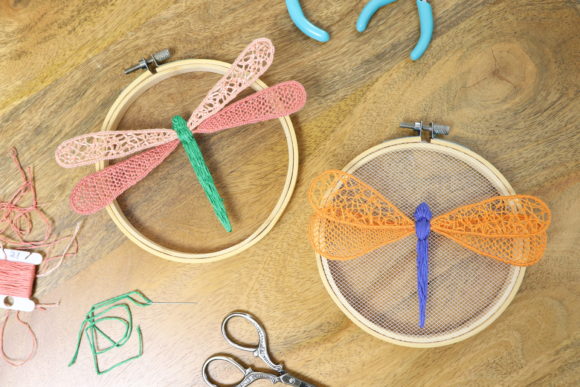
The first impression of this technique is one of architectural elegance. Unlike standard flat embroidery, which relies solely on thread density to create depth, wire frame embroidery introduces a skeletal structure that allows threads to float in space. This creates a lovely 3D piece of artwork that catches light differently than traditional satin or fill stitches. For those of us running a craft business or selling on platforms like Etsy, this visual distinction is crucial. It elevates a simple handmade product into a collector’s item.
Real-World Application: The Custom Tote Test
To understand the practical value of Creating a Wire Frame Embroidery, I imagined a specific client scenario. A boutique owner approached me for a line of high-end canvas tote bags intended for a spring launch. Standard floral motifs felt too common, and heavy applique added unwanted weight. This is where the wire frame technique shines. By using a wire framework, I could create airy, botanical shapes that appeared to grow off the fabric rather than just sitting on top of it.
In this context, the design performs exceptionally well on sturdy fabrics like canvas or heavy cotton twill. The rigidity of the wire supports the thread, preventing the sagging that often plagues large, open-area designs. For an Etsy seller looking to differentiate their tote bag design from mass-produced competitors, this method offers a tangible premium feel. Customers are more likely to perceive the item as a unique art piece, justifying a higher price point.
Versatility Across Product Lines
Beyond totes, I considered how this technique translates to other popular categories. For sweatshirt embroidery, the results are striking but require careful handling. The wire adds structure, which can be desirable for a bold chest logo, but it may feel stiff against the skin if placed incorrectly. I would recommend limiting wire frame elements to outer layers or decorative patches rather than areas that directly touch the body.
For baby embroidery or nursery decor, the aesthetic is undeniably charming. Imagine a mobile or a wall hanging featuring delicate butterflies or birds created with this method. However, safety is paramount. If you are creating items for infants, ensure the wire ends are securely encapsulated within the stitching and that the final finished product cannot be easily pulled apart. For adult gifts, such as personalized anniversary pieces or holiday decor, the durability is less of a concern, allowing for more intricate and exposed wire work.
Technical Considerations and Fabric Choices
While the visual appeal is high, the technical execution demands precision. One must consider stitch density carefully. In traditional embroidery, we often increase density to cover gaps. Here, the wire does the heavy lifting. Over-stitching can weigh down the frame, causing it to droop. Conversely, under-stitching may leave the wire visible, which might not be the desired look unless intentional.
Fabric texture plays a significant role. On smooth fabrics like sateen or polished cotton, the contrast between the soft thread and the structured wire is beautiful. However, on highly textured fabrics like bouclé or heavy wool, the fine details of the wire frame might get lost. I advise testing the embroidery file on scrap fabric first. Check how the wire interacts with the stabilizer. A firm cut-away stabilizer is often necessary to support the tension of the wire without distorting the garment.
Curved surfaces present another challenge. Applying this technique to a cap or a fitted hat requires meticulous hooping. The wire must be flexible enough to conform to the curve but rigid enough to hold its shape. If you are new to this, start with flat items like pillow covers or tea towels before attempting complex curves.
Commercial Viability and Branding
For small shop owners, consistency is key. Creating a Wire Frame Embroidery allows for a signature style that is hard to replicate with standard digital files. When customers see a consistent use of this 3D technique across your small shop product line, it builds brand recognition. It signals that you are not just printing designs but crafting art.
However, production time is a factor. This is not a quick-run job. Each piece requires manual manipulation of the wire and careful monitoring during stitching. For high-volume orders, this might not be sustainable. But for limited editions, bespoke gifts, or high-margin boutique items, the labor adds perceived value. It transforms a simple personalized gift into a heirloom-quality object.
Designer Notes for Best Results
Before integrating this into your workflow, keep these practical tips in mind:
- Test on Scraps: Always run a test on the exact fabric and stabilizer combination you plan to use. Wire behaves differently on stretchy knits versus woven cottons.
- Check Thread Contrast: Use thread colors that complement the wire. Metallic threads can enhance the structural look, while matte threads can soften it.
- Inspect Small Details: Ensure that any tiny elements are secure. Wire can unravel if not properly anchored by surrounding stitches.
- Mockup in Black and White: Review your design in grayscale to check for balance and clarity without the distraction of color.
- Verify Licensing: Since this involves a class and specific techniques, confirm whether the resulting designs can be used for commercial purposes. If you are selling digital embroidery file derivatives or finished goods, clarity on rights is essential.
In conclusion, Creating a Wire Frame Embroidery is a powerful addition to any serious embroiderer’s toolkit. It bridges the gap between flat stitching and sculpture, offering a unique avenue for creative expression. Whether you are designing for a local craft fair or building an online brand, this technique provides the sophistication needed to stand out. Just remember to respect the learning curve, prioritize structural integrity, and let the wire guide your creativity.