Reviewing the Realistic Embroidery Badge Logo
As an embroidery designer who has spent years digitizing logos for everything from corporate uniforms to boutique café aprons, I have learned that presentation is half the battle. Clients often struggle to visualize how a flat vector file will translate into thread and fabric. This is where high-quality visual assets become essential tools for closing sales and managing expectations. Recently, I evaluated the Realistic Embroidery Badge Logo, a graphic resource designed to help designers present their work with professional polish. While this product falls under the category of Logo Presentations and is technically a piece of Graphics software rather than a stitch file itself, its utility for small business owners and apparel decorators is undeniable.
First Impressions and Visual Personality
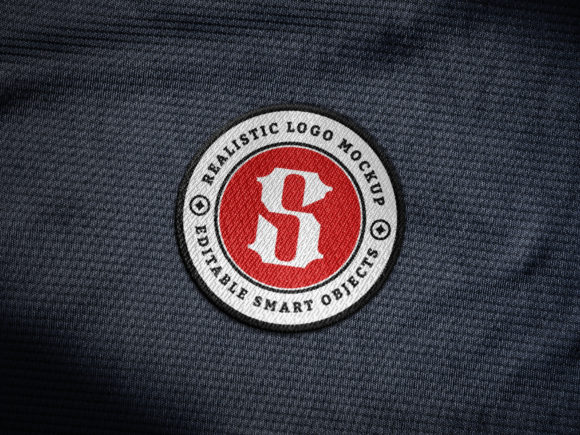
The first thing that strikes you about the Realistic Embroidery Badge Logo is its commitment to texture. In the world of custom apparel, clients are often skeptical about how "clean" or "premium" an embroidered logo will look on their specific garment. This mockup addresses that anxiety by offering photo-realistic textures that mimic the interplay of light on thread. The design feels professional yet approachable, striking a balance between modern clarity and the tactile warmth of handmade craftsmanship.
For a handmade brand or an Etsy seller, this aesthetic is crucial. It does not look like a sterile digital print; instead, it captures the slight irregularities and depth that define quality embroidery. Whether your brand identity is rustic, playful, or elegant, this template provides a neutral but high-end canvas. It allows the logo itself to take center stage while providing the context of jersey fabric, which is a common choice for t-shirts, hoodies, and soft uniforms.
Real-World Applications for Small Businesses
I imagine a local bakery or a creative studio using this tool to pitch a new line of staff uniforms. When you are selling custom apparel or small business merch, the perceived value of the final product dictates the price point. By using the Realistic Embroidery Badge Logo in your client proposals, you elevate the conversation from "how much does it cost?" to "look how premium this will feel."
Consider a florist wanting to add branded patches to their delivery tote bags. Using this mockup, you can show them exactly how their floral emblem would sit on the fabric, complete with realistic shadowing and thread sheen. It works equally well for:
- Embroidered patches intended for iron-on or sew-on application.
- Cap embroidery previews, helping clients visualize curved surface placement.
- Apron embroidery designs for hospitality businesses.
- Tote bag design concepts for retail packaging or customer gifts.
- Commercial embroidery pitches for corporate work shirts.
This versatility makes it an invaluable asset for product designers and merch creators who need to generate multiple variations quickly. Instead of stitching out five different colorways for a client approval meeting, you can adjust the smart objects in the file to show various thread colors instantly. This saves significant time and reduces material waste during the sampling phase.
Navigating Design Limitations and Fabric Constraints
While the Realistic Embroidery Badge Logo is a powerful presentation tool, it is vital to remember that it is a visual representation, not a technical blueprint. As an experienced designer, I always caution clients that a beautiful mockup does not guarantee stitchability. There are specific scenarios where the visual appeal of the mockup might mask technical challenges in the actual production.
For instance, if you are designing for cap embroidery, the curved surface can distort small details. The mockup may show crisp, tiny lettering, but in reality, high stitch density on a small front panel can lead to puckering or thread breaks. Similarly, when working with textured fabrics like heavy canvas or fluffy towels, the fine details visible in the high-resolution mockup might get lost. The jersey fabric shown in the template is smooth, but real-world applications often involve more complex materials.
Designers must also be wary of dark uniforms. A mockup might display vibrant thread colors against a mid-tone background, but on a black polo shirt, those same colors may require underlay stitches or metallic threads to pop. Always use the mockup as a starting point for discussion, not the final word on technical feasibility.
Impact on Brand Identity and Customer Trust
In the competitive landscape of handmade products and boutique retail, brand consistency is key. The Realistic Embroidery Badge Logo helps maintain this consistency across all touchpoints. When a customer sees a cohesive visual language—from your website banners to your physical finished product—it builds trust. It signals that you pay attention to detail and care about quality.
For Etsy sellers and crafters, this level of professionalism can be the difference between a browser and a buyer. A high-quality printable mockup allows you to showcase your design assets in lifestyle contexts without needing to photograph every single item physically. This enhances buyer engagement and helps customers imagine the product in their own lives, whether it is a personalized gift or a branded uniform for their team.
Practical Notes for Embroidery Professionals
Before integrating this graphic into your workflow, there are several practical steps I recommend taking to ensure smooth production. First, always test your actual machine embroidery design in black and white. This strips away the distraction of color and reveals whether the shapes and spacing are clear. If the design fails in monochrome, no amount of realistic rendering will save it.
Second, verify the technical specifications. The product description mentions it is a digital embroidery file for presentation, but it does not specify stitch counts or hoop sizes because it is a graphic template. You must confirm these details in your actual embroidery software. Check if the design works at the intended patch size. A logo that looks bold on a screen might become a dense blob of thread when scaled down to a two-inch chest logo.
Third, consider your stabilizer and fabric choice. The mockup uses jersey fabric, which is stretchy and requires careful stabilization. If you are moving this design to a woven shirt or a thick hat, you will need to adjust your digitizing settings accordingly. Always create a physical sample on the actual fabric before running a full production order.
Finally, review the licensing terms. Ensure that your use of the Realistic Embroidery Badge Logo complies with commercial usage rights, especially if you are using it in client-facing portfolios or marketing materials. While it is an excellent tool for enhancing your brand identity, it should support your work, not replace the technical rigor required for quality embroidery.
In conclusion, the Realistic Embroidery Badge Logo is a sophisticated resource for any embroidery professional looking to elevate their client presentations. By combining visual appeal with strategic business use, it helps bridge the gap between digital design and tangible product, ultimately driving confidence and sales for small businesses and creative studios alike.