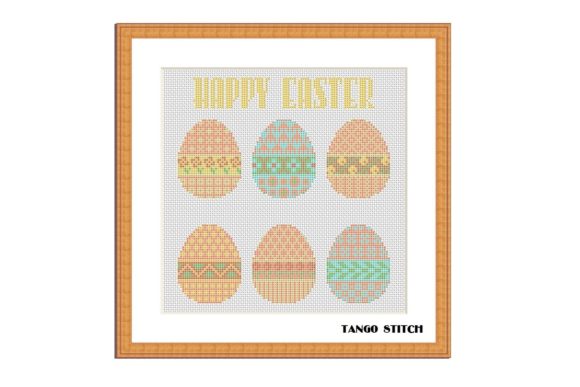
Reviewing the Easter Cross Stitch Pattern for Boutique Sweatshirts
As an embroidery designer who has spent years refining digitized art for small clothing brands, I approach every new machine embroidery design with a critical eye. It is not just about whether the file opens correctly; it is about how that design translates from a digital screen to a tangible, wearable piece of art. Recently, I evaluated the Easter Cross Stitch Embroidery Pattern for a potential inclusion in a limited-edition spring drop for a boutique brand I consult for. The goal was simple: determine if this specific aesthetic could elevate a standard sweatshirt into a premium, sought-after item.
First Impressions and Design Aesthetic
The initial appeal of the Easter Cross Stitch Embroidery Pattern lies in its charming simplicity. Described as an "Easter holiday ornament cross stitch pattern" and part of the "Tango Stitch Easy" collection, it promises accessibility. For a designer, "easy" often raises questions about depth and visual interest, but in this case, the restriction to full stitches creates a cohesive, rustic texture that mimics traditional hand-needlework. This is crucial for modern consumers who crave the warmth of handmade products but require the durability of machine production.
The mood of the design is undeniably playful yet minimal. It avoids the clutter of complex shading, relying instead on the geometric beauty of the cross-stitch grid. This makes it versatile. It does not scream "children’s wear" exclusively; rather, it fits comfortably into the "cottagecore" or "modern rustic" trends that dominate Etsy seller feeds and Instagram boutiques. When I visualize this Graphics asset applied to apparel, I see a design that feels decorative without being overwhelming. It strikes a balance between cute and sophisticated, provided it is executed with precision.
Application on Premium Sweatshirt Fabrics
The true test of any embroidery file is how it interacts with fabric texture. For this review, I imagined applying the design to various components of a cozy seasonal apparel line. On neutral sweatshirts, such as oatmeal, heather grey, or soft sage, the pattern pops beautifully. The contrast between the structured, pixel-like stitches and the fuzzy surface of fleece-backed cotton creates a tactile delight. However, on dark fabric like navy or charcoal, one must be vigilant about thread color contrast. Lighter pastels will stand out, but the designer must ensure the stitch density is sufficient to prevent the dark background from peeking through the gaps in the cross-stitch lattice.
For oversized hoodies, placement is key. A small chest placement offers a subtle, minimalist accent that appeals to buyers looking for understated branding. Conversely, using the design as a larger back piece can transform a basic hoodie into a statement item. I also considered sleeve accents. Because the design uses only full stitches, it maintains structural integrity even at smaller scales, making it suitable for cuff details or pocket embellishments. This versatility is a significant asset for a small shop product line where maximizing the utility of a single digital embroidery file is essential for profitability.
Technical Considerations for Commercial Production
From a technical standpoint, there are several practical concerns when moving from a printable mockup to a finished product. Since the description notes that the pattern uses only full stitches, the stitch count may be higher than expected for the visual area covered. Cross-stitch emulation requires a dense grid to look authentic. Therefore, checking the stitch density is vital. If the density is too high on thick sweatshirt material, it can cause puckering. I recommend using a cut-away stabilizer rather than tear-away to support the fabric during washing and wear. This ensures the sweatshirt embroidery remains flat and professional over time.
Another critical factor is the hoop size. While the design is described as suitable for beginners, commercial production requires efficiency. Ensuring the design fits within standard hoop dimensions without excessive re-hooping saves labor costs. Furthermore, because the design relies on a grid structure, small-size readability must be tested. If scaled down too much, the individual crosses may merge into a blob, losing the intended charm. I advise creating physical samples at the smallest intended size to verify clarity before listing the item as a custom apparel option.
Washing durability is non-negotiable for boutique brands. Cross-stitch styles can sometimes unravel if not properly locked or if the thread tension is incorrect. Testing the thread colors for colorfastness is also important, especially if using bright Easter hues on white garments. A high-quality commercial embroidery run should withstand multiple wash cycles without fraying or fading, maintaining the brand’s reputation for quality.
Brand Identity and Market Value
Incorporating the Easter Cross Stitch Embroidery Pattern into a collection does more than add a graphic; it enhances brand identity. For an Etsy seller or creative entrepreneur, offering items that look handcrafted but are produced efficiently builds buyer trust. Customers perceive embroidered goods as higher value than printed ones. This perception allows for better pricing power and higher margins. The rustic, handmade feel of the cross-stitch style aligns perfectly with brands that emphasize authenticity and care.
Moreover, this design serves as excellent content for lifestyle product photography. The texture of the stitches photographs well, adding depth to online listings. When paired with a design assets package that includes mockups, sellers can showcase the versatility of the pattern across different colors and garment types. This visual recognition helps in building a cohesive seasonal campaign. Whether used for Easter-specific merchandise or extended into spring-themed collections, the design offers longevity beyond a single holiday.
Final Verdict for Designers and Sellers
The Easter Cross Stitch Embroidery Pattern is a strong contender for small boutique brands looking to add a touch of whimsical elegance to their apparel. Its simplicity is its strength, allowing for flexible application across various garment types and colorways. However, success depends on careful technical execution. Designers must pay close attention to stabilizer choice, thread contrast, and stitch density to ensure a premium finish.
Before committing to a large production run, always verify the specific file format and license terms included with the purchase, as these details were not explicitly provided in the brief description. Ensure the hoop size matches your equipment capabilities and that the design is optimized for the specific weight of your chosen fabrics. With proper preparation, this pattern can become a standout element in your handmade product lineup, driving customer engagement and reinforcing your brand’s commitment to quality and style. For those in the Cross Stitch Patterns niche looking to expand into apparel, this design offers a seamless bridge between traditional craft and modern fashion.