Reviewing Orange Celtic Cross Stitch for Merch
As an embroidery designer who has spent years translating digital concepts into tangible, stitched reality, I approach every new machine embroidery design with a critical eye. It is not just about whether a pattern looks pretty on a screen; it is about how it performs in the real world of small business merchandise. Recently, I evaluated the Orange Celtic Cross Stitch Embroidery, a piece from the Tango Stitch Easy collection described as a cross stitch pattern using only full stitches. My goal was to determine if this specific graphic could serve as a viable asset for branded patches, uniforms, and boutique goods.
First Impressions: Visual Personality and Brand Fit
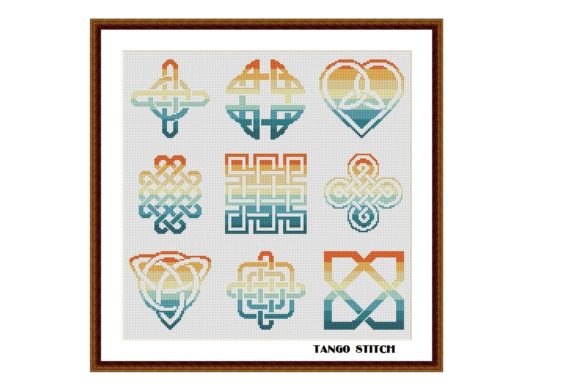
The immediate visual impact of the Orange Celtic Cross Stitch Embroidery is striking. The choice of orange brings a sense of warmth, energy, and creativity, while the Celtic knot structure implies heritage, continuity, and craftsmanship. For a brand identity, this combination suggests a business that values tradition but wants to appear approachable and vibrant. It does not feel cold or overly corporate. Instead, it feels handmade, rustic, and premium.
This aesthetic is particularly powerful for specific industries. Imagine a local bakery wanting to convey artisanal quality, or a florist aiming for a natural yet structured look. The design fits seamlessly into the category of Cross Stitch Patterns that have been adapted for modern commercial use. Because the description notes it uses only full stitches, the texture will be consistent and bold, avoiding the fragility of complex satin stitches or the potential puckering of dense fill areas.
Real-World Applications for Small Business Merch
When I consider where this design adds value, I look beyond simple decoration. For small business owners, every inch of embroidery must work hard to build recognition. Here is how I see this design performing across various product lines:
- Embroidered Patches: This is perhaps the strongest application. A patch allows for high visibility without committing to permanent stitching on expensive garments. The bold lines of the Celtic cross will hold up well in a circular or shield-shaped patch format, making it ideal for tote bags or backpacks.
- Staff Uniforms and Aprons: For cafés and creative studios, an apron embroidery acts as a walking billboard. Placing this design on the chest pocket area of a canvas apron creates a professional yet friendly appearance. The orange thread contrasts beautifully against navy, charcoal, or natural beige fabrics.
- Cap Embroidery: While possible, cap fronts require careful scaling. The intricate loops of a Celtic design can blur if too small. However, if scaled correctly, it serves as a distinctive sleeve detail or side-panel accent rather than a massive front logo.
- Tote Bag Design: Canvas totes are a staple for Etsy sellers and boutique shops. The rustic charm of cross-stitch style embroidery complements the natural texture of cotton canvas, enhancing the perceived value of the handmade product.
Technical Considerations and Production Challenges
While the Orange Celtic Cross Stitch Embroidery is described as suitable for both beginner and expert embroiderers, commercial production demands rigorous testing. The fact that it uses only full stitches is a double-edged sword. On one hand, it simplifies the digitizing process and reduces thread breaks. On the other hand, cross-stitch styles can create a raised, textured surface that may feel bulky on certain fabrics.
I advise designers to pay close attention to stitch density. If the digital file is too dense, the fabric may pucker, especially on lighter materials like t-shirts. Conversely, if it is too loose, the backing material might show through. Before running a full batch of custom apparel, you must test the design on the actual fabric you intend to use. Fabric texture plays a huge role here; a twill cap will handle the stitches differently than a soft jersey knit.
Another critical factor is the hoop size. Ensure your machine’s hoop can accommodate the full dimensions of the sampler without re-hooping, which can lead to misalignment. Additionally, always use the appropriate stabilizer. For stretchy fabrics, a cut-away stabilizer is often necessary to maintain the integrity of the geometric Celtic lines over time and through multiple washes.
Strategic Placement and Brand Identity
Using this design effectively requires understanding its impact on customer trust and recognition. A well-executed embroidered logo signals professionalism. It tells the customer that the business invests in quality details. When used on product packaging accents or as a tag on a handmade item, the Orange Celtic Cross Stitch Embroidery reinforces a narrative of care and precision.
However, there are places where this design should be used carefully. Avoid placing it on areas subject to high friction, such as the cuffs of sleeves or the bottom hem of pants, as the raised cross-stitch texture may wear down faster than flat embroidery. Also, be cautious with dark uniforms if the orange thread does not have sufficient contrast. Always create a printable mockup to visualize the color interaction before stitching.
Practical Designer Notes for Commercial Use
Before integrating this digital embroidery file into your product line, follow these practical steps to ensure success:
- Test in Black and White: Remove the color variable first. Check if the shape and spacing of the Celtic knots are clear without the aid of orange thread. If the design loses its definition in monochrome, it may be too complex for small sizes.
- Check Scalability: Verify if the design works at a small patch size. Intricate Celtic patterns can become muddy if shrunk too much. Ensure the gaps between stitches remain visible.
- Review Thread Color Contrast: Orange is vibrant, but ensure it stands out against your chosen fabric. Test it on white, black, and grey to see which offers the best brand visibility.
- Confirm Licensing: The product description mentions it is a pattern suitable for beginners and experts, but it does not explicitly state commercial licensing terms. You must confirm with Tango Stitch or the seller that this Graphics asset includes rights for commercial embroidery projects. Never assume a purchased file allows for resale of finished products without verification.
- Create Client Mockups: If you are designing for a client, present a realistic mockup showing the texture. This manages expectations regarding the raised nature of cross-stitch style embroidery.
In conclusion, the Orange Celtic Cross Stitch Embroidery is a versatile asset for the right brand. It bridges the gap between traditional craft and modern merchandising. By respecting its technical requirements and leveraging its warm, artisanal aesthetic, small business owners can create memorable, high-quality items that resonate with their customers. Whether used for a boutique’s tote bags or a café’s staff aprons, this design has the potential to elevate your brand identity through the timeless appeal of stitched art.