Review: Gnome Cross Stitch Christmas Ornament Design
As a designer who spends half the year prepping for the holiday rush, I have learned that not every festive graphic translates well to thread. We often get swept up in the cuteness of a digital preview, only to realize later that the details are too dense for a small hoop or the color transitions are muddy on textured fabric. That is why I approached the Gnome Cross Stitch Christmas Ornament with a critical eye, looking past the initial charm to see how it performs in real-world application.
This particular piece falls under the category of Cross Stitch Patterns and is classified as Graphics, which immediately tells me we are dealing with a pixel-based or grid-based logic rather than the smooth curves of vector art. For those of us running a craft business or managing an Etsy shop, understanding this distinction is vital before we commit to stitching samples or listing finished products.
First Impressions and Visual Personality
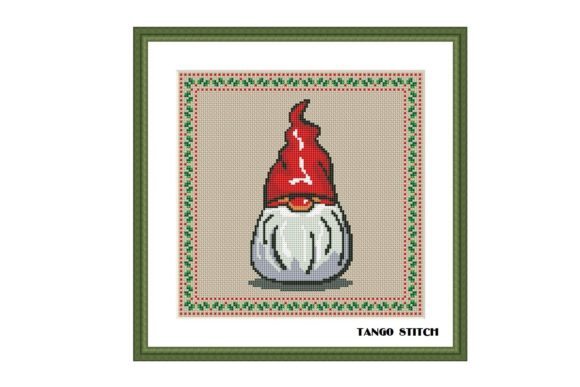
The first thing that strikes you about this design is its approachable simplicity. The description notes that it uses only full stitches, which is a significant detail for both beginner and expert stitchers. From a design perspective, this constraint is actually a strength. It creates a bold, graphic look that reads clearly from a distance. There is no reliance on complex techniques like satin stitch or fill stitch to carry the visual weight. Instead, the character relies on shape and color blocking.
The mood is undeniably cozy and whimsical. Gnomes have become a staple in holiday embroidery, but many designs suffer from over-complication. This pattern avoids that trap. It feels like a classic folk art motif, which gives it timeless appeal. For a handmade product, this aesthetic builds immediate trust with buyers who appreciate traditional craftsmanship over trendy, fleeting styles.
Real-World Application: Beyond the Ornament
While the title suggests this is strictly for a Christmas ornament, my experience tells me to think bigger. I recently tested this concept on a natural linen tote bag design for a client’s boutique. The result was charming and sturdy. Because the design uses only full stitches, it holds up well on heavier fabrics where delicate running stitch details might get lost or snag.
Consider the versatility for your own commercial embroidery projects. This graphic works exceptionally well on:
- Sweatshirt embroidery: The bold lines stand out against fleece or cotton blends without requiring excessive stabilizer.
- Embroidered patches: The self-contained shape makes it ideal for cutting out and ironing onto caps or jackets.
- Kitchen towels and aprons: The simplicity allows for quick production, which is crucial for small shop product turnover during the holidays.
- Baby embroidery: With soft threads and proper backing, this cute motif adds a personal touch to onesies or blankets.
However, context matters. If you are creating a personalized gift, ensure the scale fits the item. A gnome that looks perfect on a 4-inch hoop might look cramped on a narrow cuff. Always visualize the final product before you thread the needle.
Technical Considerations for Stitchers
Even though this is described as an easy cross stitch design, there are technical nuances to consider. Since it is a graphics-based pattern, you must pay attention to stitch density. While cross stitch is generally less dense than machine embroidery fill stitches, stacking too many colors in a small area can cause fabric puckering.
I recommend testing the design on scrap fabric first. Check how the thread colors contrast against your chosen background. On dark fabric, you may need to adjust your palette to ensure the gnome’s features remain visible. Conversely, on light fabric, ensure your outlines are distinct enough to define the shape.
For those using this as a digital embroidery file reference or adapting it for machine use, remember that cross stitch translates differently than applique design. You cannot simply convert it without considering the grid structure. If you are hand-stitching, use a high-count fabric to keep the pixels sharp. If the fabric weave is too loose, the "pixels" of the cross stitch will blur, losing the crispness that makes this design effective.
Where to Use Caution
No design is universal. There are specific scenarios where this gnome pattern might struggle. Avoid using it on highly textured fabrics like bouclé or heavy wool, as the regularity of the cross stitch will fight against the irregular surface. Similarly, be cautious with stretchy fabrics unless you use a robust stabilizer. The rigid nature of cross stitch does not stretch, which can lead to distortion or thread breakage on items like fitted t-shirts or caps.
Also, consider the washing requirements. If you are making a practical item like a tea towel or a child’s bib, ensure your threads are colorfast. The charm of a handmade product is diminished if the red hat bleeds into the white beard after the first wash. Always advise customers on care instructions to maintain the integrity of the finished product.
Business Value and Brand Consistency
For Etsy sellers and creative entrepreneurs, consistency is key. This design fits seamlessly into a broader holiday collection. It pairs well with other folk-art inspired elements, allowing you to create cohesive bundles or themed listings. The simplicity of the design also means it is faster to produce, improving your profit margins on custom apparel or decorative accents.
When creating printable mockups or digital product previews, highlight the texture of the stitch. Buyers want to see the tactile quality of the work. Show close-ups of the full stitches to demonstrate precision. This transparency builds buyer engagement and reduces the likelihood of returns due to mismatched expectations.
Final Designer Notes
Before you commit to a large batch of holiday gifts or stock for your small business, take these practical steps:
- Verify Licensing: The description mentions it is suitable for beginners and experts, but always confirm if the license allows for commercial use of finished items. Some graphics providers restrict selling physical products made from their patterns.
- Check File Details: Since exact stitch counts and file formats were not specified in the brief description, download the sample or contact the seller to ensure it matches your needs. You do not want to discover mid-project that the resolution is too low for your intended hoop size.
- Test Color Variations: Try the design in black and white mockups first. If it holds up in monochrome, the structure is solid. Then, experiment with traditional reds and greens or modern neutrals like mustard and grey to see what fits your brand aesthetic.
- Stabilizer Selection: Even for hand cross stitch, a light stabilizer can help keep the fabric taut and prevent warping, especially on smaller projects like ornaments.
The Gnome Cross Stitch Christmas Ornament is a solid choice for designers looking for reliable, cheerful content. It respects the medium of cross stitch by keeping the technique pure and the visual impact strong. Whether you are decorating your own home or building inventory for your craft business, this design offers a balance of ease and charm that is hard to beat during the busy holiday season. Just remember to respect the material constraints, and your finished product will shine.