Review: Embroidery Text Layer Style for Craft Fairs
As an embroidery designer who spends more time at sewing machines than in front of a computer, I am always skeptical of digital assets that promise "magic." However, when preparing for the high-pressure environment of a weekend craft fair, efficiency is just as valuable as artistry. I recently evaluated Embroidery Text Layer Style, a digital product categorized under Layer Styles and Graphics, to see if it truly holds up for real-world handmade production. My goal was simple: determine if this tool could help me create compelling, sellable items for my booth without consuming days of design time.
First Impressions and Visual Appeal
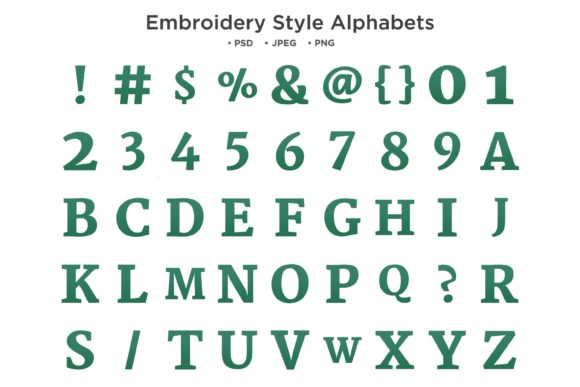
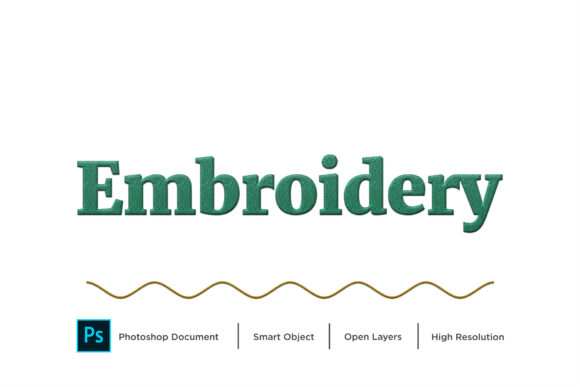
The immediate appeal of Embroidery Text Layer Style lies in its promised simplicity. The description states, "It is so easy to use it. Just click on smart objects layer and type your words and let the magic happens." For a busy maker, this is music to our ears. Visually, the preview suggests a design that balances modern aesthetics with the tactile warmth required for handmade goods. It does not scream "digital clipart"; instead, it offers a structure that feels ready to be translated into thread.
When I imagine this design on a table full of goods, it stands out as versatile. It is not overly rustic nor strictly minimalist. It sits in a sweet spot that feels premium and decorative, suitable for a wide range of customers. Whether a buyer is looking for a funny gift or an elegant home accessory, the typography-driven nature of this asset allows for personalization, which is a huge driver of sales at craft fairs.
Product Applications for the Craft Fair Booth
To test the viability of this design, I mentally mapped it onto several staple craft fair products. Here is how Embroidery Text Layer Style performs across different mediums:
- Tote Bag Design: This is perhaps the strongest application. A large, bold text design on a canvas tote catches the eye from three aisles away. It transforms a basic bag into a statement piece.
- Apron Embroidery: For kitchen-themed booths, placing this text on the bib of an apron creates an instant emotional connection. It feels personal and useful.
- Tea Towel Embroidery: While tricky due to fabric texture, a simplified version of this design could work well on flour sack towels, provided the stitch density is managed correctly.
- Embroidered Patch: Creating iron-on patches allows customers to buy a small, affordable item. The clear lines of the text style ensure legibility even at smaller sizes.
- Caps and Pouches: Curved surfaces like caps require careful digitizing. This design serves as an excellent base for creating curved text layouts that look professional rather than distorted.
For Etsy sellers and online boutique owners, this asset is equally valuable. The ability to quickly generate variations means you can populate your shop with diverse listings without starting from scratch each time. It supports the creation of high-quality printable mockup images that showcase the finished product before a single stitch is sewn.
Production Practicality and Batch Selling
The core feature of this product is the PSD file format, specifically noted as "1 PSD files" with a resolution of "4000 x 2668p." From a production standpoint, this high resolution is crucial. It ensures that when you scale the text for different hoop sizes, the edges remain crisp for reference. However, it is vital to remember that this is a design asset for visualization and layout, not necessarily the final machine code.
For batch production, consistency is key. Using a smart object layer allows me to maintain uniform spacing and font weight across fifty different tote bags. This repeatability reduces errors and speeds up the workflow. When customers see a cohesive booth display, they perceive higher value and brand consistency. A messy or inconsistent display can deter buyers, but a unified look driven by a strong typographic style builds trust.
Careful-Use Notes for Embroiderers
While the digital side is user-friendly, translating Embroidery Text Layer Style into physical thread requires technical caution. As an experienced designer, I must highlight several practical considerations:
- Stitch Density: Bold text can become dense. If you are stitching on lightweight fabric like a tea towel, high stitch density can cause puckering. Always test on scrap fabric first.
- Tiny Details: If you customize the text to include very small letters or intricate punctuation, these may get lost in the thread. Ensure your minimum letter height matches your needle and thread capability.
- Fabric Texture: Textured towels or thick denim can obscure fine details. On dark fabric, ensure you have adequate underlay stitches to make the top threads pop.
- Curved Surfaces: When applying this to caps, the distortion of the curve can make straight text look awkward. You may need to adjust the arching in your embroidery software after using the PSD as a visual guide.
Enhancing Brand and Buyer Engagement
Ultimately, the success of a small shop product depends on how it makes the customer feel. Embroidery Text Layer Style helps create products that feel intentional. When a customer picks up a pillow cover with perfectly spaced, stylish text, they see quality. They see a finished product that looks like it belongs in a high-end boutique, not just a craft fair.
This design asset supports better photography for online listings as well. Clear, attractive text designs photograph beautifully, increasing click-through rates for digital embroidery file sellers or those selling physical goods. It allows for creative experimentation with thread colors to match seasonal trends, keeping your inventory fresh without redesigning the core element.
Final Designer Recommendations
Before you commit to full production, take these steps:
- Check Licensing: The description mentions commercial use implicitly by targeting sellers, but always confirm the specific license terms for the font and design elements within the PSD.
- Test Hoop Size: Ensure the design fits your standard hoops. The 4000 x 2668p resolution gives you flexibility, but your machine has limits.
- Stabilizer Choice: Match your stabilizer to the fabric. A cut-away stabilizer is often best for stretchy fabrics like tote bags to prevent distortion of the text.
- Create Real Mockups: Use the PSD to create realistic images for your marketing materials before stitching the final batch.
In conclusion, Embroidery Text Layer Style is a powerful tool for the modern maker. It bridges the gap between digital convenience and tactile craftsmanship. By understanding its strengths in visualization and respecting the technical limits of embroidery machinery, you can create standout products that drive sales and elevate your brand. It is not just about making things easier; it is about making things better, faster, and more profitable for your handmade business.