Review: DSLR Camera in Hand Embroidery Design
As an embroidery designer who has spent countless weekends standing behind booths at local craft fairs, I have learned that the difference between a design that sits idle and one that sells out often comes down to immediate visual impact. When I first loaded the DSLR Camera in Hand Embroidery Design into my digitizing software, my initial reaction was one of appreciation for its niche appeal. This is not a generic floral pattern or a seasonal holiday motif; it is a specific, lifestyle-oriented graphic that speaks directly to a passionate community of photographers.
In the world of Work and creative Embroidery, identifying designs that resonate with specific hobbies is key to building a loyal customer base. This review breaks down how this design performs from a production standpoint, its viability as a craft fair product, and the practical considerations you must address before turning this digital embroidery file into a finished product.
First Impressions and Aesthetic Appeal
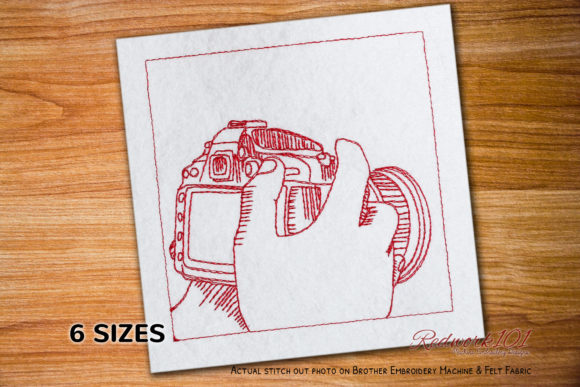
The first thing I noticed about the DSLR Camera in Hand Embroidery Design is its clean, modern silhouette. It does not try to be overly realistic, which is a smart move for machine embroidery. Instead, it relies on recognizable shapes and bold outlines to convey the subject matter. The aesthetic feels professional yet approachable, striking a balance between a technical gadget and a beloved hobby. It lacks the clutter of excessive detail, making it feel minimal and contemporary.
This clarity is crucial for a small shop product. When customers are walking past your booth, they have only seconds to process what they are seeing. A design that is instantly recognizable as a camera in hand creates an immediate connection with photographers, photography students, and tech enthusiasts. It feels like a premium accessory rather than a cheap novelty, which allows you to position it as a higher-value item in your inventory.
Versatility Across Product Lines
One of the strongest assets of this design is its adaptability. I tested the visual potential of the DSLR Camera in Hand Embroidery Design across several common items found in handmade markets. Here is how it performs on different substrates:
- Tote Bags: This is perhaps the ideal canvas. A large tote bag provides enough surface area for the design to breathe. As a tote bag design, it serves as a statement piece for photographers carrying their gear to shoots.
- Aprons: For the creative professional who also loves to cook, an apron featuring this motif makes a fantastic gift. The apron embroidery looks sharp against denim or canvas fabrics, adding a touch of personality to kitchen wear.
- Tea Towels: While possible, tea towel embroidery requires caution. The texture of terry cloth can obscure fine details. If you choose this route, ensure you use a high-quality stabilizer and avoid placing the design over thick seams.
- Embroidered Patches: This design translates beautifully to patches. A satin stitch border can frame the camera shape, creating a durable embroided patch that customers can iron onto jackets or backpacks.
- Caps and Hats: Placing this on a curved cap surface is challenging but rewarding. The simplified lines of the design help it maintain integrity on the curved front panel of a baseball cap.
Production Notes and Technical Considerations
Before you commit to batch production, there are critical technical aspects to review. The product description notes that "The Box Stitch shown in the picture is optional." This is a significant detail for your workflow. If the box is optional, you have the flexibility to simplify the design for smaller hoops or remove it entirely if it clashes with the fabric color. However, you must verify the stitch density of the main camera body. Dense areas can cause puckering on lightweight fabrics, so always test on scrap material first.
Another point mentioned is that "The color of the outer box is a different color in most of the designs unless it is part of the design itself, you can skip the colo." This suggests that color separation is key. You need to carefully select your thread colors to ensure contrast. On dark fabrics, a light-colored outline is essential for visibility. On light fabrics, a bold, dark thread will make the design pop. Do not assume the default colorway in your software will work for every fabric type.
Since the exact hoop size and file formats are not specified in the brief description, you must check these details in the actual download package. Ensure the design fits within your standard hoop sizes without requiring excessive resizing, which can distort stitch proportions. Always use the appropriate stabilizer—cut-away for stretchy fabrics like t-shirts and tear-away for stable woven fabrics like tote bags.
Selling Strategy for Etsy and Craft Fairs
For Etsy seller accounts and boutique makers, this design offers a unique angle. It is not just another floral monogram; it targets a specific demographic. When creating your printable mockup or listing images, show the design in context. Photograph the embroidered item alongside a real camera lens or a photography book. This helps buyers visualize the lifestyle associated with the product.
In a craft fair setting, this design works best as part of a curated collection. Pair it with other photography-themed items or place it in a section dedicated to "Gifts for Him" or "Creative Professionals." The visual appeal of the DSLR Camera in Hand Embroidery Design draws attention because it is distinct. It signals that your brand understands niche interests, which builds trust and brand consistency.
Remember to confirm commercial licensing before selling. Most digital designers offer specific licenses for physical goods. Ensure you are compliant with the terms provided with your design assets. If the license allows for commercial embroidery, you can confidently produce these items for sale. If not, reach out to the designer for clarification.
Final Verdict
The DSLR Camera in Hand Embroidery Design is a strong contender for any embroidery business looking to expand beyond traditional motifs. Its clean lines, modern aesthetic, and strong niche appeal make it a versatile choice for tote bags, patches, and apparel. By paying attention to stitch density, thread contrast, and fabric texture, you can produce high-quality items that stand out in a crowded market. Whether you are preparing for a weekend craft fair or updating your online store, this design offers the professional polish and creative flair that today’s handmade shoppers are looking for.