Merry Christmas Cross Stitch Pattern: A Designer’s Review
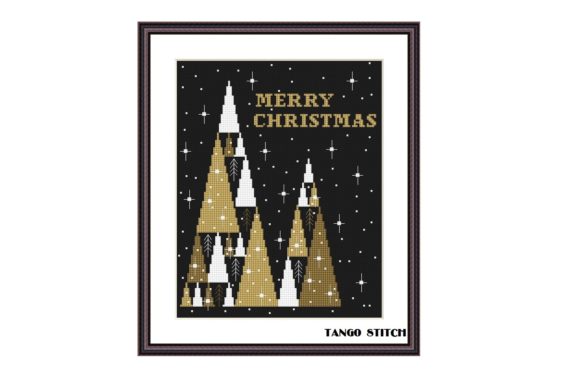
As a designer who has spent countless hours analyzing stitch paths and evaluating the commercial viability of digital assets, I approach every new Merry Christmas Cross Stitch Pattern with a critical eye. It is not enough for a design to simply look festive on a screen; it must translate flawlessly into thread and fabric. This particular design, featuring gold mountains and a geometric Christmas tree, caught my attention immediately. It promises a modern twist on holiday tradition, but does it hold up under the needle? After reviewing the specifications and visualizing its application in real-world projects, I have formed a clear opinion on where this asset shines and where caution is required.
First Impressions and Visual Personality
The immediate mood of this design is sophisticated warmth. By combining the organic shape of mountains with the structured geometry of a Christmas tree, the pattern avoids the cloying sweetness often found in seasonal Cross Stitch Patterns. The use of gold suggests luxury and celebration, while the geometric elements provide a clean, contemporary edge. This is not a design for a rustic cabin alone; it feels equally at home in a modern urban apartment or a minimalist boutique.
The layout is balanced, with the approximately 20 x 25 cm dimensions offering substantial presence without being overwhelming. For those of us who work with Graphics and digital files, the clarity of the lines is paramount. In this case, the separation between the mountain peaks and the tree structure appears distinct, which is crucial for maintaining stitching clarity. When a customer looks at a handmade product, they need to see intentionality. Muddy details or unclear boundaries can make even the most expensive thread look amateurish. This design seems to prioritize legibility, ensuring that each cross-stitch contributes to a cohesive image rather than visual noise.
Real-World Application: From Screen to Stitch
To truly evaluate a design, I imagine it in a specific project context. Let us consider a custom embroidered tote bag. Tote bags are staples for Etsy sellers and small shop products because they are practical canvases for art. Using this Merry Christmas Cross Stitch Pattern on a heavy-duty canvas tote would create a striking holiday accessory. The black Aida specified in the description provides a high-contrast background that makes the gold threads pop. However, if you are adapting this for a lighter fabric, you must consider how the negative space interacts with the material.
Another strong candidate for this design is sweatshirt embroidery. A crewneck sweatshirt in charcoal or deep navy could serve as an excellent base, mimicking the dark background of the original specification. The geometric nature of the tree means it will sit flat against the fabric, reducing the risk of puckering that often plagues dense fill areas. For custom apparel, this design offers a subtle yet recognizable holiday nod. It is not overtly childish, making it suitable for adult garments, which expands the target market for any craft business owner looking to maximize sales during the holiday season.
Consider also the potential for holiday embroidery on home decor. A pillow cover featuring this mountain scene could become a cherished seasonal item. The 20 x 25 cm size is nearly perfect for a standard decorative pillow insert, allowing the design to take center stage. When customers browse for personalized gifts, they are often looking for items that feel curated and unique. This pattern’s modern aesthetic helps achieve that perception of value.
Navigating Technical Challenges
While the design is visually appealing, practical execution requires attention to detail. The specification notes that the piece is intended for 14 count Black Aida. This is a crucial constraint. If you attempt to scale this down for a small hoop or a delicate embroidered patch, you may lose the definition of the geometric lines. Cross-stitch relies on the grid of the fabric; shrinking the design too much can result in a blurry image where individual stitches merge. Therefore, I advise against using this on tiny items like baby booties unless you are using a very fine count fabric and adjusting the pattern size accordingly.
Fabric texture is another variable. On smooth cotton or linen, the stitches will lie evenly. However, on textured fabrics like wool or heavy denim, the uniformity of the cross-stitch might be disrupted. For commercial embroidery projects where consistency is key, sticking to recommended fabrics is wise. Additionally, if you are translating this hand-embroidery pattern into a machine embroidery design, you must carefully manage stitch density. Machine stitches behave differently than hand stitches; a direct conversion without adjustment could lead to thread breaks or fabric distortion. Always test on scrap fabric first.
Dark fabrics present their own challenges. While the black Aida is specified, using other dark colors requires careful selection of thread colors. Gold thread can sometimes appear dull against certain blacks or navies if the sheen is not high enough. I recommend testing different metallic or variegated threads to ensure the "gold" effect is vibrant. A printable mockup can help visualize this, but nothing replaces a physical test stitch.
Enhancing Brand Value and Customer Trust
For creative entrepreneurs and digital product sellers, the choice of design directly impacts brand perception. Using a high-quality, well-structured pattern like this one signals professionalism. Customers can sense when a design has been rushed or poorly constructed. A clean, geometric pattern suggests precision and care, qualities that buyers associate with premium finished products.
When listing items on platforms like Etsy, the visual appeal of the product photos is critical. This design’s strong contrast and modern style photograph well, especially in natural light. High-quality images of the stitched piece can drive engagement and conversions. Furthermore, offering items made with such distinctive designs helps differentiate your design assets from the sea of generic holiday goods. It allows you to build a cohesive brand identity that resonates with customers who appreciate modern craftsmanship.
Practical Notes for Designers and Makers
Before committing to a large production run or selling this as a digital embroidery file, there are several steps you should take. First, verify the licensing terms. Ensure that the creator allows for commercial use if you plan to sell finished items. Second, check the stitch count and file formats if you are adapting this for machine use. The description mentions it is a cross-stitch pattern, so if you are digitizing it, you will need to convert the chart into a format compatible with your embroidery machine, paying close attention to running stitch outlines and fill stitch densities.
Test the design on various backgrounds. While black is specified, try it on deep green, burgundy, or even white to see how the mood shifts. Use proper stabilizer if working with stretchy fabrics like t-shirts to prevent distortion. Finally, consider the end user. Is this for a baby embroidery project? If so, ensure all threads are secure and non-toxic. Is it for a tote bag design that will carry heavy books? Reinforce the back of the stitching to prevent wear and tear.
In conclusion, the Merry Christmas Cross Stitch Pattern with its gold mountains and geometric tree is a versatile and stylish choice for modern makers. It bridges the gap between traditional craft and contemporary design, offering ample opportunity for creative expression in both personal and commercial projects. By respecting its technical requirements and leveraging its visual strengths, you can create stunning pieces that delight customers and elevate your brand.