Green Star Embroidery: A Designer’s Review
As an embroidery designer who has spent years digitizing logos and testing files for commercial use, I approach every new machine embroidery design with a critical eye. It is not enough for a design to look pretty on a screen; it must perform under the needle, survive industrial washing, and elevate the brand it represents. Recently, I evaluated Green Star Embroidery to determine its viability for small business merchandise and branded patch applications. This review focuses on practical application for apparel decorators, Etsy sellers, and boutique owners looking to enhance their product lines.
First Impressions and Visual Personality
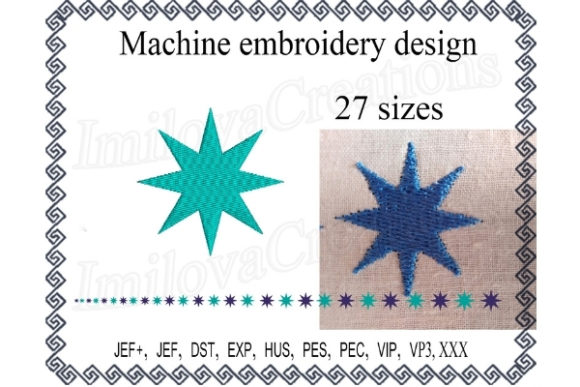
The initial appeal of Green Star Embroidery lies in its versatility. The title suggests a motif that is both classic and modern. In the context of branding, a star can signify excellence, quality, or a guiding principle. For a small business, this symbol is powerful because it is universally recognized yet open to interpretation. Whether your brand identity is playful and whimsical or sleek and professional, a well-digitized star can anchor your visual consistency.
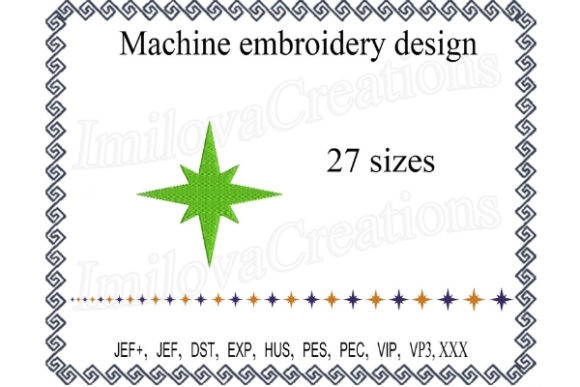
From a design perspective, the "green" aspect implies growth, freshness, and reliability. This makes the design particularly suitable for eco-friendly brands, florists, organic bakeries, or creative studios that want to project a sense of natural quality. However, the true test is in the digitization. A high-quality embroidery file must balance aesthetic appeal with technical stability. Based on the description stating it is ready for your next sewing project, the expectation is that the stitch paths are optimized to prevent puckering and thread breaks.
Real-World Applications for Small Business Merch
For small business owners, every inch of fabric is an opportunity for marketing. Here is how Green Star Embroidery performs across various commercial embroidery projects:
- Branded Patches: This is perhaps the strongest use case. An embroidered patch allows for high-density stitching without worrying about the garment fabric. You can create iron-on or sew-on patches for customer gifts or employee uniforms. The star shape holds up well in circular or shield-shaped patch borders.
- Staff Uniforms and Aprons: For cafés and boutiques, staff presentation is crucial. Placing this design on the chest pocket of a work shirt or the corner of an apron adds a subtle touch of professionalism. It signals attention to detail without overwhelming the uniform.
- Cap Embroidery: Caps are a staple of streetwear and casual merch. A star design works excellently on the front panel or as a side accent. However, curved surfaces require careful hooping and stabilizer selection to ensure the design does not distort.
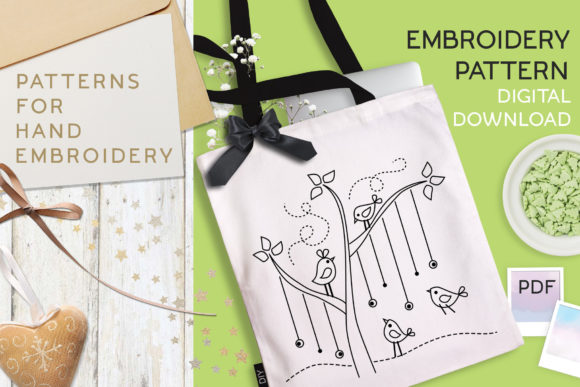
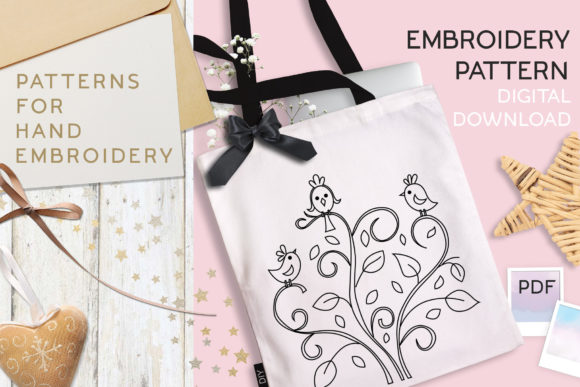
- Tote Bag Design: Canvas totes are popular for retail packaging and events. The sturdy texture of canvas supports heavier stitch counts, making the star appear bold and tactile. It serves as a durable brand mark that customers will use repeatedly.
- Etsy Branding and Product Labels: Handmade sellers can use smaller versions of this design as woven-label alternatives. Sewing a small star onto hang tags or directly onto handmade products adds perceived value and authenticity.
Technical Considerations and Placement Strategy
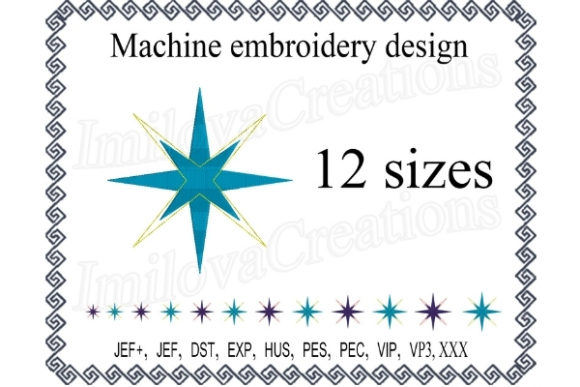
While Green Star Embroidery offers significant potential, there are areas where caution is required. As a designer, I always advise testing before full production. The description notes that the file comes in multiple formats and can be used in multiple machines, which is essential for compatibility. However, you must verify the specific details such as stitch count and recommended hoop size before starting a large batch.
Stitch density is a critical factor. If the design is too dense, it may cause the fabric to pucker, especially on lightweight materials like poly-cotton blends used in t-shirts. Conversely, if the density is too low, the backing material might show through, particularly on dark uniforms. Always run a test stitch on the actual fabric you intend to use.
Placement matters immensely. On curved surfaces like cap fronts or sleeve cuffs, the design must be centered perfectly to avoid visual distortion. For small patch sizes, ensure that the details of the star are not so fine that they merge together during stitching. Simplified outlines often read better at smaller scales than complex, detailed fills.
Enhancing Brand Identity and Customer Trust
Consistency builds trust. When customers see the same high-quality Green Star Embroidery on your aprons, packaging, and social media posts, it reinforces your brand identity. It transforms a simple transaction into a branded experience. For handmade product creators, this level of finish distinguishes professional businesses from hobbyists. It shows that you care about the finished product, not just the sale.
Moreover, embroidered items have a longer lifespan than printed ones. They do not crack or fade easily, which means your brand stays visible for years. This durability enhances the perceived value of your custom apparel and merchandise, encouraging customers to keep and wear your items, effectively turning them into brand ambassadors.
Practical Designer Notes for Production
Before committing to a large run of commercial embroidery, follow these steps to ensure success with Green Star Embroidery:
- Test in Black and White: Remove color from your view to check the contrast and structure. If the design loses its shape without color, it may need digitizing adjustments.
- Check Thread Color Contrast: Ensure the green threads stand out against your fabric choice. For dark uniforms, consider using a lighter shade or adding a satin stitch border to improve visibility.
- Use Proper Stabilizer: Match your stabilizer to your fabric texture. Cut-away stabilizers are best for stretchy fabrics, while tear-away works for stable wovens. Incorrect stabilization is the leading cause of poor embroidery quality.
- Create a Printable Mockup: Before stitching, place the digital file over a photo of your garment. This helps visualize scale and placement, saving time and materials.
- Confirm Commercial Licensing: Always verify the license terms included with the digital embroidery file. Ensure you have the right to use the design for sold goods, not just personal projects.
- Inspect Spacing and Hoop Size: Confirm that the design fits within your machine’s hoop capabilities. Leave adequate margin around the design to prevent hoop burns and ensure secure holding.
In conclusion, Green Star Embroidery is a versatile asset for any small business looking to upgrade its merchandise. By understanding its technical requirements and leveraging its visual appeal, you can create high-quality, branded items that resonate with customers. Whether used on a tote bag, a cap, or a staff apron, this design has the potential to become a recognizable symbol of your brand’s quality and care. Always prioritize testing and proper technique to achieve the best results in your sewing and embroidery projects.